
Oral Cancer Screening in a Wellness-First Practice: What We Check and Why It Matters
March 27, 2026 9:00 amMost people have had a moment where something in their mouth didn’t feel quite right—a spot on the cheek, a sore that lingered longer than expected, or an area that just felt different. The usual approach is to give it a few days and see if it goes away.
Sometimes it does. Sometimes it doesn’t.
The tricky part is knowing when something is worth paying attention to and when it’s not. That’s where early, proactive screening comes in—it gives us a consistent way to take a closer look before something small has a chance to become more involved.
At McKinney Dental Wellness in McKinney, TX, screenings are part of a wellness-first approach to care—focused on early detection, patient awareness, and understanding how oral health connects to the rest of the body.
Oral Cancer Screening in a Wellness-First Practice
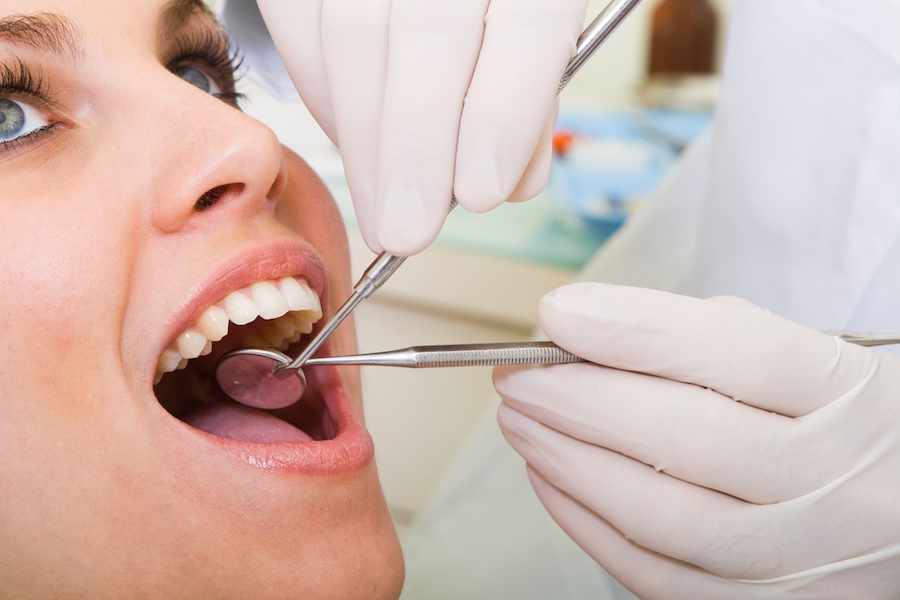
An oral cancer screening is a careful evaluation of the soft tissues in and around your mouth. That includes the tongue, cheeks, gums, lips, and throat, along with nearby structures like the jaw and lymph nodes.
In a wellness-focused setting, the goal isn’t just to spot obvious concerns. It’s to understand what’s typical for you and recognize when something changes. That context matters, especially when early signs are subtle.
Over time, this creates a clearer picture of your baseline, which makes it easier to catch changes early.
What We Check During an Oral Cancer Screening
The screening itself is gentle and noninvasive. It’s typically done as part of your comprehensive dental exam, and it doesn’t require any extra preparation.
We carefully evaluate:
- The tongue, including the sides and underside
- The inside of the cheeks and lips
- The gums and the roof and floor of the mouth
- The throat and surrounding soft tissues
We’re looking for changes in color, texture, or symmetry—anything that stands out from the surrounding tissue or from what we’ve seen in previous visits.
In addition to the visual exam, we gently feel along the jaw, neck, and lymph nodes to check for any unusual lumps or areas of firmness beneath the surface.
Most patients don’t notice this part of the visit because it’s quick and built into the exam.
Why Early Detection Matters
Not every change in the mouth is serious, but the ones that are can affect more than just the immediate area. Oral cancer can impact how you speak, eat, and swallow if it progresses, which is why catching it early makes such a difference.
When changes are identified at an early stage, treatment is often more straightforward and more effective. That’s the goal of routine screening—not to create concern, but to give us a chance to step in early if something needs attention.
Without a regular point of comparison, it’s harder to tell what’s new, what’s improving, and what might need follow-up. Even when something turns out to be harmless, having it evaluated provides clarity and avoids second-guessing.
A Wellness-Focused Approach to Monitoring Changes
If we see an area that doesn’t look typical but isn’t immediately concerning, we don’t jump straight to treatment. Instead, we may document it—often with an intraoral camera—and recheck it in a couple of weeks. This allows us to see whether it resolves, stays the same, or changes.
This approach keeps things measured. It gives your body time to settle when appropriate, while still keeping a close eye on anything that needs attention. If something does require further evaluation, we’ll walk through the next steps with you, which may include referral for a biopsy.
Who Is at Risk for Oral Cancer
Oral cancer can affect anyone, but certain factors can increase risk over time.
These include:
- Tobacco use
- Frequent alcohol consumption
- HPV exposure
- Prolonged sun exposure to the lips
- Chronic inflammation
- Weakened immune function
- Age and genetic predisposition
In a wellness-focused practice, we also consider broader factors like nutrition, lifestyle habits, and immune health, since these can influence how the body responds over time.
What to Watch for Between Visits
Between visits, it helps to stay aware of changes in your mouth or throat.
Things worth checking in on include:
- A sore that doesn’t heal within two weeks
- Red or white patches
- Unexplained bleeding
- Thickened or firm areas
- Difficulty chewing or swallowing
- Persistent throat discomfort or voice changes
- A lump in the neck or jaw
If something lingers or feels different than usual, it’s worth having it evaluated rather than waiting.
How Oral Cancer Screening Fits Into Your Care
Oral cancer screening is part of a larger preventive approach. It works alongside routine cleanings and exams, where we’re also monitoring gum health, tooth structure, and overall oral function.
Because it’s integrated into your visit, it doesn’t add extra steps—it’s simply part of taking a more complete look at your health.
Oral Cancer Screening in McKinney, TX at McKinney Dental Wellness
At McKinney Dental Wellness in McKinney, TX, Dr. Julia LeDay focuses on early detection, patient education, and a broader view of health that connects oral findings with overall wellness.
If it’s time for your next cleaning and exam, or if you’ve noticed something that doesn’t seem to be resolving, you can call the office or schedule a visit to take a closer look and stay proactive about your health.
Contact UsCategorised in: Oral Cancer Screenings